Iran Will Not Bow to U.S. Pressure, Says President Pezeshkian, Ready to Consider Talks Based on Mutual Respect
NEW YORK, USA | September 26, 2026 | The Global Journal
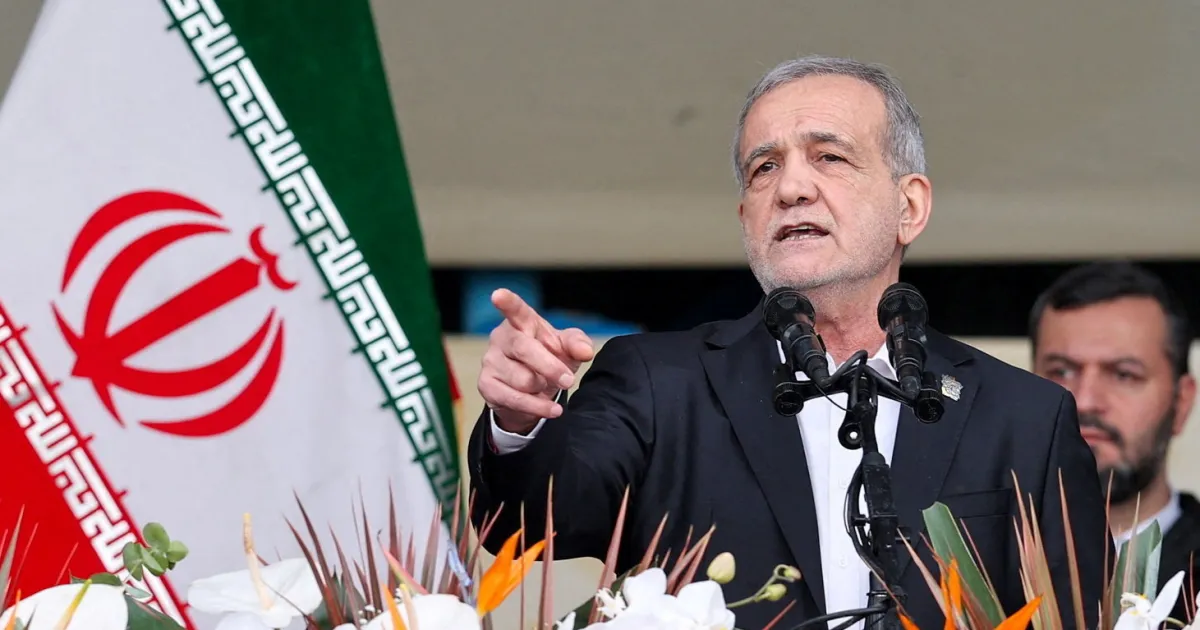
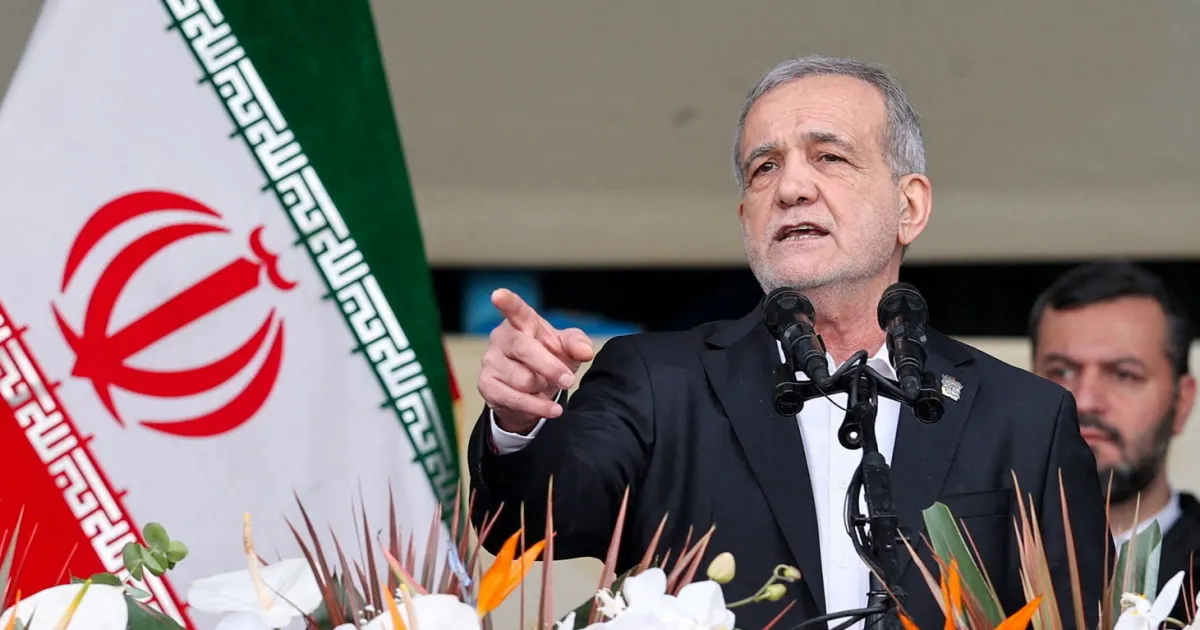
Iranian President Masoud Pezeshkian has said Tehran is prepared to hold talks with the United States, but stressed that Iran will not bow to any pressure, threats or coercion. He said Iran could consider diplomatic negotiations if Washington presents an acceptable proposal based on mutual respect and existing understandings.
Pezeshkian made the remarks in an interview with U.S. broadcaster CBS News’ “Face the Nation” during his visit to New York for the 81st session of the United Nations General Assembly. The interview was recorded on September 25. He discussed the crisis of trust between Iran and the United States, Iran’s nuclear program, international inspections and tensions surrounding the Strait of Hormuz.
No agreement through pressure or coercion
Pezeshkian said Iran is genuinely interested in negotiations, but continued military action, sanctions and threats make it difficult for Tehran to trust U.S. commitments.
He questioned the logic of negotiating while military action is taking place at the same time. According to Pezeshkian, reaching a lasting solution would require assurances that written commitments and agreements would be implemented.
Crisis of trust with the United States
The Iranian president said past breaches of agreements have created a deep crisis of trust between Tehran and Washington. He specifically cited the United States’ withdrawal from the 2015 Iran nuclear agreement, formally known as the Joint Comprehensive Plan of Action (JCPOA), in 2018 as one of the main reasons for the current mistrust.
According to Pezeshkian, subsequent developments, including military conflict during periods of diplomatic engagement and disputes over the implementation of commitments, have further deepened the lack of trust.
He said both sides would need to clarify what they are seeking to achieve and how any future commitments would be implemented before negotiations could move forward.
Proposal to revive the framework of the Islamabad understanding
Pezeshkian said the two sides had previously made progress based on a memorandum of understanding (MoU) reached in Pakistan. He said that process was later disrupted because of a lack of coordination.
He indicated that there is still an opportunity to move forward step by step based on the objectives and framework of the earlier understanding. If Washington agrees to proceed within that framework, it could create a path toward resolving issues related to the Strait of Hormuz as well as other areas of dispute.
Strait of Hormuz and international inspections
Tensions surrounding the Strait of Hormuz also featured prominently in the interview. Pezeshkian said the United States had obstructed Iran’s maritime access and that Tehran had taken countermeasures.
According to him, an agreement based on a mutually accepted framework could help address the situation involving shipping and pave the way for further negotiations.
On Iran’s nuclear program, Pezeshkian reiterated that Tehran has no plan to develop nuclear weapons. He said an agreement on access for international nuclear inspectors could also be reached as part of negotiations, provided the arrangements are established within a defined diplomatic framework.
Diplomatic path remains open, but trust must be rebuilt
Pezeshkian’s remarks do not completely rule out the possibility of renewed diplomatic engagement with the United States. However, he stressed that negotiations would require mutual respect, trust and assurances that written commitments would be implemented rather than pressure or military action.
He also said Iran does not want war and seeks to resolve disputes through international legal and diplomatic frameworks. At the same time, he warned that Iran would exercise its right to self-defense if it came under attack.
Amid continuing tensions between Washington and Tehran and the standoff surrounding the Strait of Hormuz, Pezeshkian’s comments highlight both the possibility of renewed negotiations and the deep trust deficit between the two countries.
Sources: CBS News, Reuters.